


Joint Health Supplements: What the Evidence Supports in the UK
The joint supplements with the most encouraging recent evidence are curcumin (the active compound in turmeric) and collagen, and both sit in the thecary range as turmeric with black pepper and marine collagen with vitamin C. Glucosamine and chondroitin are the best-known names, but their results are more mixed. This guide compares the main options on evidence, typical dose, safety and UK rules, so you can choose a routine that suits your joints, your training and your age.
Key Takeaways
- A 2025 analysis of 39 trials in knee osteoarthritis found benefits for Boswellia, curcumin, collagen, ginger and krill oil, and no supplement raised adverse events compared with placebo.
- Curcumin and collagen are rated “low but promising” in a 2026 expert framework, with effects usually expected after 3 to 6 months of steady use.
- Glucosamine at or above 1,178 mg a day is treated as a medicine in the UK, so many 1,500 mg products are regulated differently from food supplements.
- Supplements work best on top of movement, a healthy diet and weight management, not instead of them.
- If you take warfarin or another blood thinner, or have diabetes, speak to your GP or pharmacist before starting any joint supplement.
Table of Contents
- What joint supplements are for
- What the research says about each option
- Side-by-side comparison
- Glucosamine versus turmeric
- UK rules that affect what you buy
- How to choose a joint supplement
- Supplements as part of a wider plan
- Our view
- Build your joint routine with thecary
- FAQ
- Sources
What joint supplements are for
Joints are held together by cartilage, tendons, ligaments and the fluid that lubricates them. Most joint supplements aim to supply raw materials for these tissues (collagen, glucosamine, chondroitin) or to calm the irritation around them (curcumin, omega-3, Boswellia, ginger). Vitamin D, calcium and magnesium belong to a slightly different group: they support bone and muscle, which carry the load that joints share.
Most of the research is in knee osteoarthritis, the wear-related form of arthritis. That matters for you in two ways. First, the results apply best to people with stiff, achy knees, not necessarily to every joint. Second, the same ingredients are often chosen earlier, as part of a preventative routine, by people who train regularly or are simply getting older and want to stay mobile. That is the reader this guide is written for.
One sensible framing comes from a 2026 practical framework for food supplements in osteoarthritis. Its authors suggest putting diet, weight management and physical activity first, then adding a supplement as a time-limited, monitored trial. Typical effects are expected around 3 to 6 months, so a fair trial means choosing one or two products and giving them time, not rotating through a cupboard of tubs every fortnight.
What the research says about each option
A 2025 network meta-analysis pooled 39 randomised trials with 4,599 people with knee osteoarthritis. Boswellia showed the largest improvements in pain, stiffness and function against placebo. Curcumin, collagen, ginger and krill oil also showed benefits in some outcomes, and none increased side-effects compared with placebo. The authors note that doses and formulations varied between trials, which is why larger studies are still wanted.
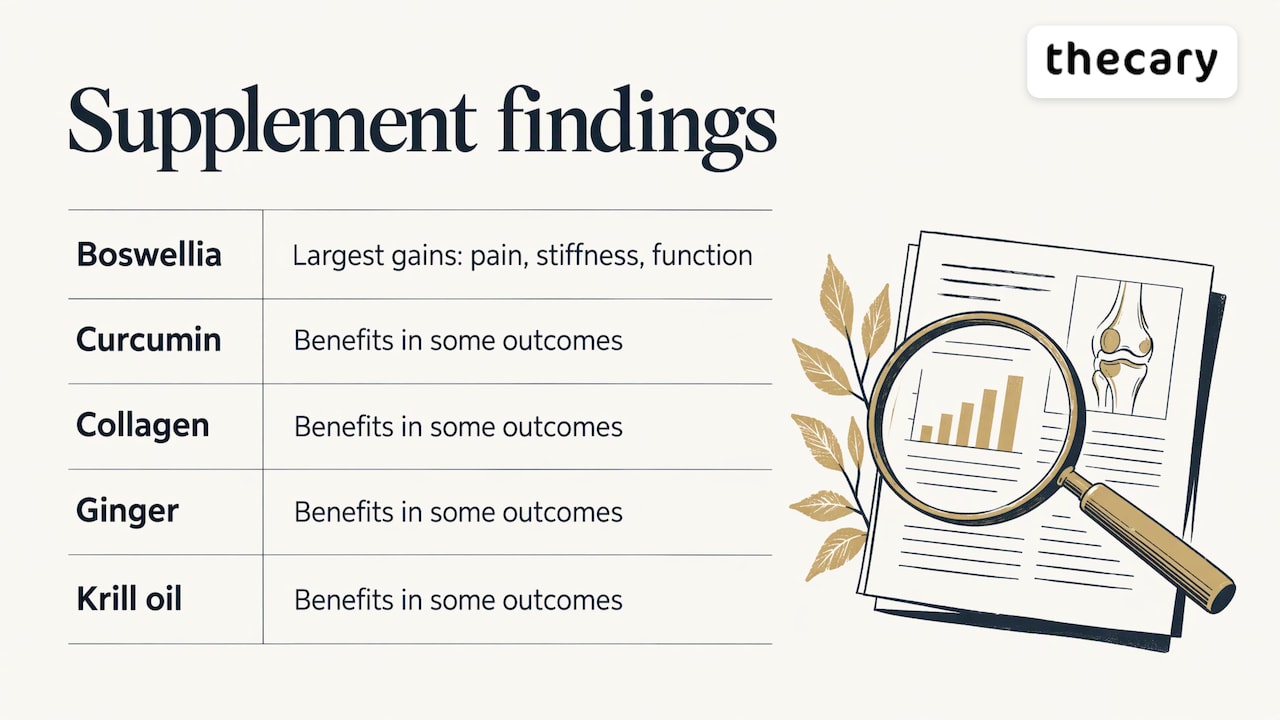
An earlier 2017 BMJ Sports Medicine review of 20 supplements across 69 studies reached a similar picture on short-term pain: collagen hydrolysate, Curcuma longa extract, Boswellia serrata and curcumin were among seven with large, clinically important effects, while glucosamine and chondroitin showed smaller ones.
Turmeric and curcumin
Turmeric is the spice. Curcumin is the active compound inside it, and on its own it is poorly absorbed, which is why extracts and black pepper (which contains piperine) are commonly paired with it. The 2026 framework lists studied curcumin doses of 80 to 1,500 mg a day. A May 2026 Springer review reports that bioavailability-enhanced curcuminoid preparations were the most reliable for pain relief above the minimum clinically important difference.
Arthritis UK’s complementary medicines report gives turmeric a green safety rating. It describes a trial of 107 people with knee osteoarthritis in which 2 g of turmeric a day for 6 weeks improved stair-climbing pain more than 800 mg of ibuprofen, with similar side-effects (mainly heartburn and dizziness). The same report notes that turmeric increased the effect of anticoagulants in laboratory studies, so anyone on blood thinners should check with their GP or pharmacist first.
Our turmeric and black pepper capsules are listed at a 5,000mg equivalent, and our guide on turmeric versus curcumin explains the difference between the whole spice and the extract.
Collagen
Collagen is the main structural protein in cartilage, tendons and skin. Supplements are usually hydrolysed, meaning the protein is broken into small pieces that are easier to take up. The 2026 framework lists 2 to 10 g a day for hydrolysed collagen and 40 mg a day for undenatured type II collagen. Arthritis UK’s report records study doses of 1 to 10 g a day for hydrolysate, describes collagen as well tolerated, with minor effects such as stomach heaviness, mild diarrhoea or rashes, and notes no well-known drug interactions.
Collagen comes in several types, and the type matters for what you are buying. Our explainer on collagen types 1, 2, 3 and 4 covers the differences. Our marine collagen with vitamin C is hydrolysed type 1 in a 300g tub. Vitamin C contributes to normal collagen formation, a claim you will see on UK labels.
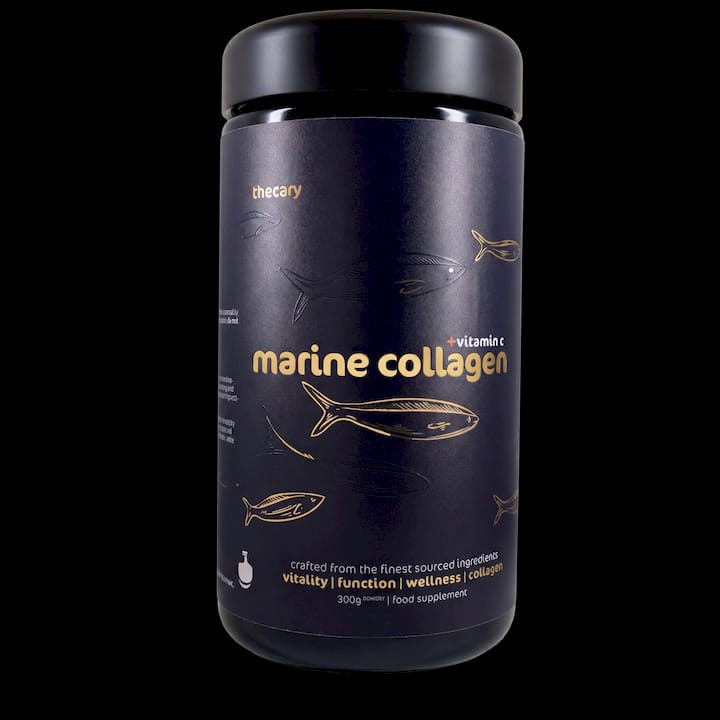
A note on UK labelling: there is no UK-authorised health claim for collagen itself, so a compliant label will talk about the vitamin C, not promise joint outcomes.
Glucosamine and chondroitin
Glucosamine is an amino sugar the body uses to build cartilage, tendons and joint fluid. Chondroitin is another cartilage component. They are the most widely sold joint ingredients, and the evidence is mixed. Arthritis UK’s glucosamine page concludes it is safe, with generally modest benefits. High-grade glucosamine sulphate showed modest pain and function gains in some trials, particularly when taken for six months or more. Most trials used 500 mg three times a day (1,500 mg daily).
For chondroitin, the 2026 framework lists 800 to 1,200 mg a day, and the Springer review reports a 6-month trial of 604 patients in which 800 mg a day reduced knee pain compared with placebo.
Safety points matter here. Glucosamine is often made from shellfish, so people with a shellfish allergy need a shellfish-free version. The US National Center for Complementary and Integrative Health says both glucosamine and chondroitin may interact with warfarin and glucosamine may raise blood glucose, and Arthritis UK also advises caution with diabetes and with some cholesterol and chemotherapy drugs.
Vitamin D, calcium and magnesium
These do not target cartilage. They support the bones and muscles around the joint. The NHS advice reproduced by NHS Cornwall and Isles of Scilly (reviewed November 2024) is that everyone over one year old should consider 10 micrograms (400 IU) of vitamin D a day in autumn and winter, and people at higher risk of deficiency should take it all year. Our guide to vitamin D3 and K2 explains what each does and how much to take.
Omega-3, krill oil, Boswellia and ginger
The 2025 meta-analysis put krill oil, Boswellia and ginger on the list of options with benefit in some knee outcomes. Omega-3 from fish oil is also a standard entry in joint guides. Dosing and formulations vary widely between studies, so follow the label and the guidance of your pharmacist, particularly if you take blood thinners.
Side-by-side comparison
The table summarises the studied ranges from the sources above. Studied doses are what trials used, not a recommendation for you personally.
| Ingredient | Studied daily dose | Evidence summary | Main safety notes |
|---|---|---|---|
| Curcumin (turmeric) | 80 to 1,500 mg of curcumin in the 2026 framework | Benefit in some knee outcomes in the 2025 analysis; rated “low but promising” | Green safety rating from Arthritis UK; anticoagulant caution |
| Collagen | 2 to 10 g hydrolysed, or 40 mg undenatured type II | Benefit in some knee outcomes in the 2025 analysis; rated “low but promising” | Well tolerated; minor stomach effects or rashes |
| Boswellia | Varies by extract | Largest improvements in the 2025 analysis | No increase in adverse events in the trials pooled |
| Glucosamine | 1,500 mg | Modest effects in some trials; mixed overall | Shellfish allergy, diabetes, some drug interactions; medicine status at 1,178 mg base or above |
| Chondroitin | 800 to 1,200 mg | Pain reduction in a 6-month trial; mixed overall | Possible warfarin interaction |
| Vitamin D | 10 micrograms (400 IU) in autumn and winter, NHS advice | Supports bone and muscle health | Follow label and NHS advice |
Glucosamine versus turmeric
If you are choosing between the two, the questions that matter are what you want from the routine, how you take medication and how long you can stay consistent.
Turmeric and curcumin have the stronger recent signal in short-term pain, a green safety classification from Arthritis UK, and no shellfish issue. Glucosamine has a longer history and a standard dose of 1,500 mg a day, but results across trials are inconsistent and the regulatory position at higher doses is more complicated. Our pick for most people building a preventative joint routine is turmeric with black pepper, with collagen and vitamin D3 alongside for tissue and bone support.
UK rules that affect what you buy
The MHRA’s guide to what is a medicinal product (Guidance Note 8) draws the line between a food supplement and a medicine. Claims to maintain or support normal function are generally acceptable for food supplements. Claims to treat a specific condition make a product a medicine needing authorisation. Following a 2016 Court of Appeal judgement, oral products with a daily dose of base glucosamine at or above 1,178 mg are regarded as medicines, which in practice affects products marketed at 1,500 mg of glucosamine sulphate or hydrochloride.
For you, that means a UK supplement label will speak in terms of support and maintenance, and only claims on the Great Britain nutrition and health claims register may appear on food supplements. Treat any pack promising to cure arthritis with caution and speak to your pharmacist.
How to choose a joint supplement
- Start with your goal. Preventative support for training and ageing points to ingredients such as curcumin, collagen and vitamin D. Persistent joint pain or swelling needs a GP appointment first, because it may need diagnosis.
- Check the dose against the studied range. Compare the amount of the active ingredient, not just the tub size. For turmeric, look at the curcumin content, not only the powder weight.
- Look at the quality marks. GMP stands for Good Manufacturing Practice, a standard for how products are made and tested. Our guide to GMP certified supplements in the UK explains what the label means. thecary products carry FSSC 22000 and GMP certifications and are tested batch by batch.
- Read the full ingredient list. Allergens, such as shellfish in some glucosamine, need checking every time. Our guide to choosing supplements walks through the label.
- Commit to a trial. Pick one or two products and give them three to six months, as the 2026 framework suggests, noting how stiffness and mobility change.
- Pair with movement. Supplements sit alongside exercise, not in place of it.
Supplements as part of a wider plan
If you already have knee osteoarthritis, supplements are one piece of a plan that should include guided exercise. A structured course such as physiotherapy for knee osteoarthritis, with around 24 sessions over 8 to 12 weeks, builds the strength around the joint that no capsule can supply.
Our view
We built our range around one idea: early, clinically dosed support, in forms the body can use. For joints, that means looking at what the research on curcumin and collagen shows, choosing bioavailable forms, and testing every batch.
Joint health is a long game. The routine that works is the one you can keep up for months, so we think a short, clear stack beats a long shelf of products. Turmeric with black pepper, marine collagen with vitamin C and vitamin D3 in the darker months cover the ground most active and ageing adults ask us about.
Pair them with strength work, sensible weight and regular movement, and give the routine three to six months before judging it.
Tinashe
Build your joint routine with thecary
Our range covers bones and joints, healthy ageing, daily wellness and more. For a joint-focused starting point, pair the turmeric with black pepper with our marine collagen and vitamin C. The products are vegan or GMO-free as labelled on each page, made to GMP and FSSC 22000 standards.
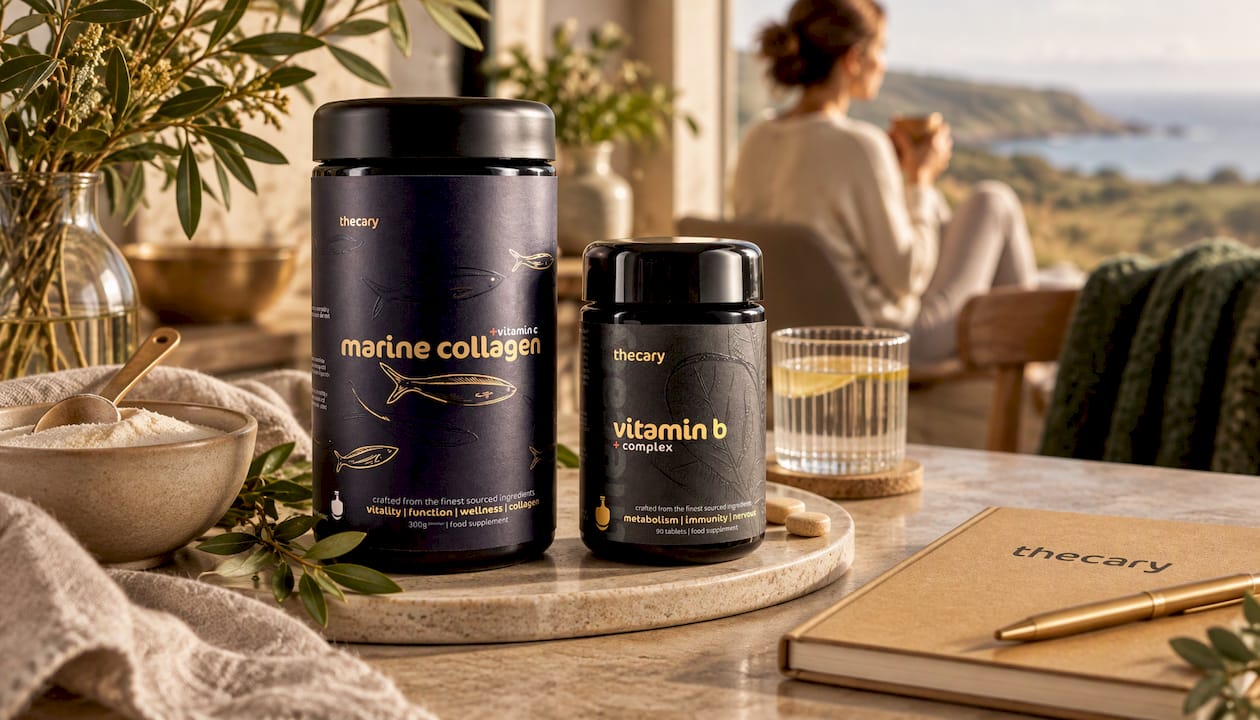
The full collection sits on one page, so you can see each product’s dose and certifications side by side before you order.
FAQ
What is the best joint health supplement?
No single product wins for everyone. In the 2025 analysis of 39 trials, Boswellia showed the largest gains, with curcumin, collagen, ginger and krill oil also showing benefit. For a simple preventative routine, curcumin and collagen are sensible starting points, taken consistently for three to six months.
Does collagen help joints?
Collagen is a structural protein in cartilage and tendons, and the 2025 analysis found benefit in some knee outcomes. Studied doses range from 2 to 10 g a day for hydrolysed collagen. Arthritis UK describes it as well tolerated, with minor effects such as stomach heaviness in some people.
What vitamin am I lacking if my joints hurt?
Joint pain has many causes and a vitamin shortfall is only one. Low vitamin D is common in the UK winter, and NHS advice is to consider 10 micrograms a day in autumn and winter. If pain is persistent, swollen or worsening, see your GP for a proper diagnosis.
Is glucosamine or turmeric better?
Turmeric has a green safety rating from Arthritis UK and a promising recent evidence base, with no shellfish concern. Glucosamine has more mixed results and interacts with some medicines, including warfarin and diabetes drugs. Anyone on those medicines should speak to their GP or pharmacist before starting either.
Sources
- Glucosamine | Arthritis UK
- Complementary and alternative medicines report | Arthritis UK
- Glucosamine and Chondroitin for Osteoarthritis | NCCIH
- Comparative Effectiveness of Nutritional Supplements in Knee Osteoarthritis (2025)
- BMJ Sports Medicine systematic review of supplements for osteoarthritis pain
- Food Supplements in Osteoarthritis: A Practical Framework (2026)
- An Evidence-Based Update on Nutritional Supplements for Osteoarthritis (Springer, 2026)
- Vitamin D for adults | NHS Cornwall and Isles of Scilly
- A guide to what is a medicinal product | MHRA
- Physiotherapy for knee osteoarthritis


