Skip to product information
1 of 1

thecary

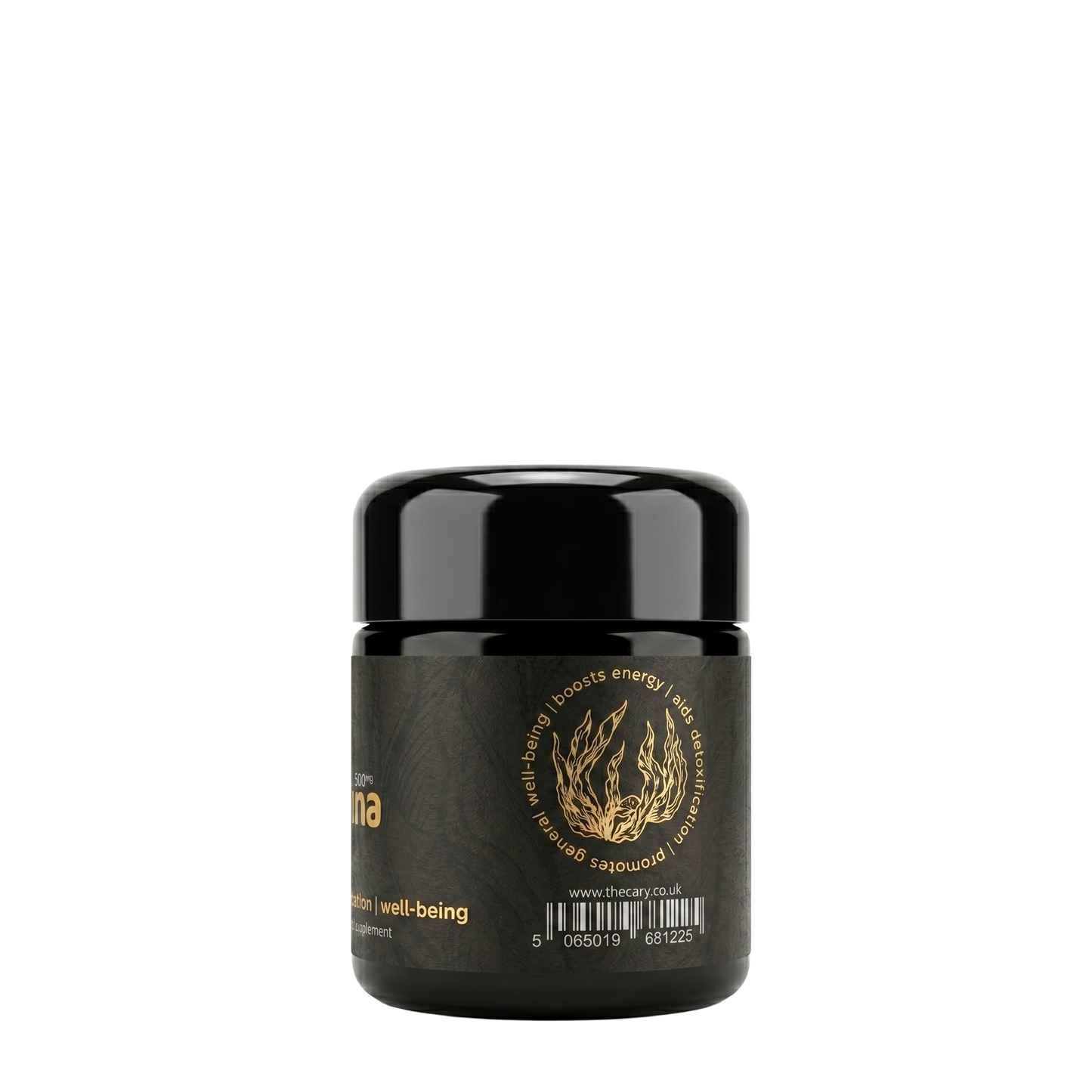
Spirulina 500mg — 60 Vegan Tablets

Spirulina 500mg — 60 Vegan Tablets

Quantity
Regular price £18.99 GBP
Regular price Sale price £18.99 GBP
Sale Sold out
Taxes included.

Ingredients

Organic Spirulina. Contains naturally occurring Sulphites.

Delivery & Returns

Delivery & Returns

Get free UK shipping on all orders. International and next day delivery charges apply. Returns accepted for incorrect orders within 14 days.See full shipping and returns details. 

View full details

Organic Spirulina

Category

Botanical

Organic Spirulina

Rich in protein, vitamins (B vitamins), minerals (iron), and antioxidants (phycocyanin), supports immune function, may reduce inflammation.

Key Function

Nutrient-dense superfood, antioxidant, anti-inflammatory.

What it's used for

General nutrition, immune support, detoxification, energy.

Key Benefits

Rich in protein, vitamins (B vitamins), minerals (iron), and antioxidants (phycocyanin), supports immune function, may reduce inflammation.

Science Behind It

Spirulina is a blue-green algae known for its exceptional nutrient density. It's a complete protein source, contains a wide array of vitamins (especially B vitamins) and minerals (iron, magnesium), and is rich in antioxidants like phycocyanin, which gives it its blue-green color and has potent anti-inflammatory and antioxidant properties. It supports the immune system, helps detoxify heavy metals, and contributes to overall vitality.

Spirulina 500mg by thecary

thecary's Spirulina delivers 500mg of pure spirulina per tablet — one of the most nutrient-dense plant foods on Earth. Spirulina is a microscopic blue-green algae that grows in alkaline freshwater lakes, consumed as food by the Aztecs of 16th-century Mexico and by traditional communities around Lake Chad in West Africa for centuries.

Spirulina is naturally rich in plant protein (around 60% by dry weight), B vitamins, iron, beta-carotene, essential fatty acids, and the unique blue-green pigment phycocyanin. It is one of the only plant foods to contain all nine essential amino acids in a complete protein profile.

Pure spirulina with no added fillers, flow agents, or synthetic ingredients. Vegan, GMO-free, and made in the UK in an FSSC 22000 certified facility. 60 tablets — a two-month supply at 500mg daily, or one-month supply at 1g daily (two tablets).

What is spirulina?

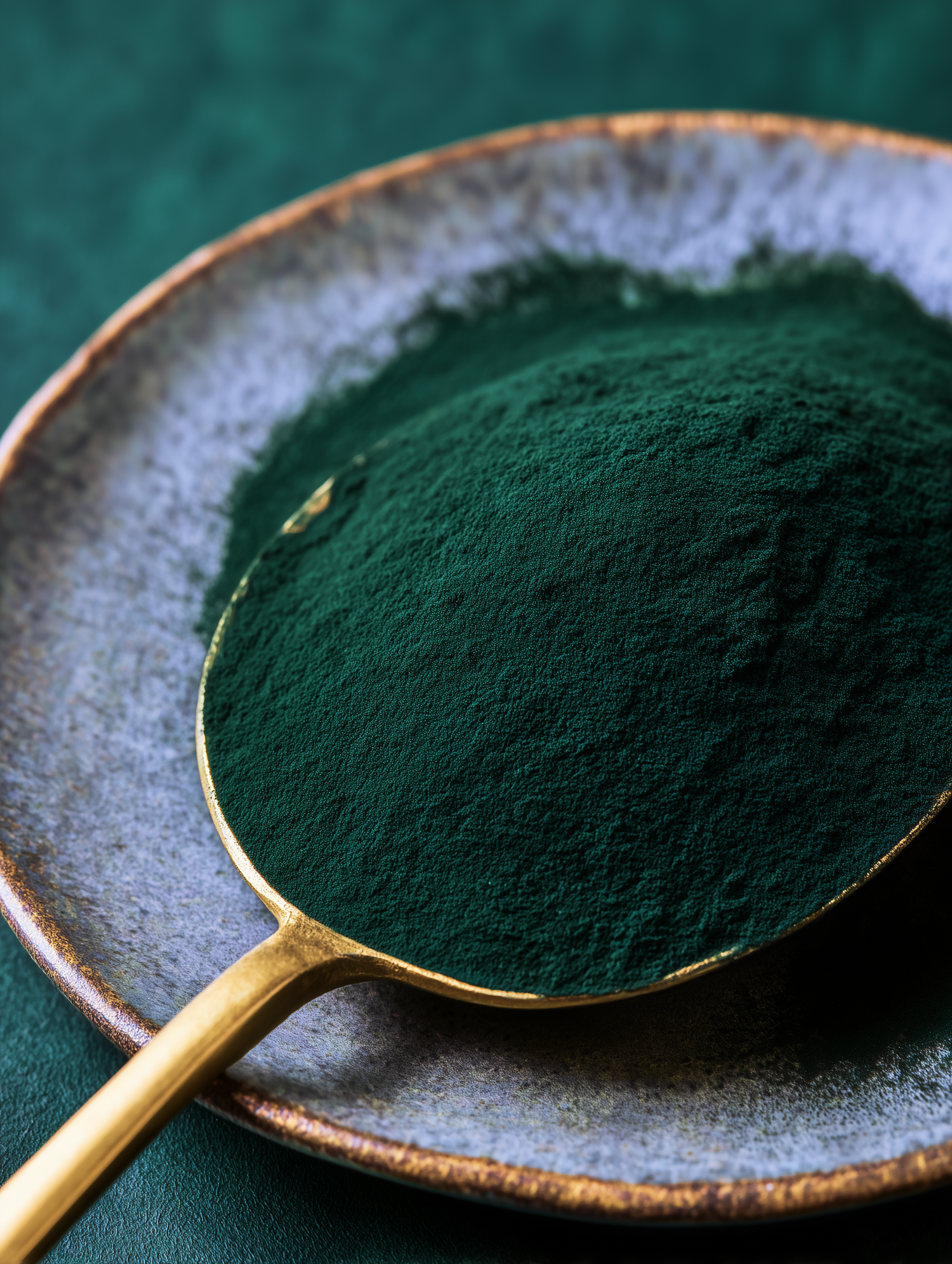
Spirulina (Arthrospira platensis) is a microscopic, spiral-shaped cyanobacterium — often referred to as blue-green algae — that grows naturally in alkaline freshwater lakes in tropical regions. It is one of the oldest life forms on Earth, with origins dating back over three billion years.

Spirulina was a staple food of the Aztecs in 16th-century Mexico, harvested from Lake Texcoco and pressed into cakes called tecuitlatl. It has been continuously consumed by communities around Lake Chad in West Africa since long before written records. In modern times, NASA has studied spirulina as a potential food source for long-duration space missions, given its remarkable nutrient density per gram.

What's in spirulina?

Few foods on the planet match spirulina's nutrient density per gram. Spirulina contains:

Plant protein — around 60–70% protein by dry weight, with all nine essential amino acids
Phycocyanin — the distinctive blue-green pigment, found in particularly high concentrations in spirulina
B vitamins — including B1, B2, B3 and B6
Iron — a meaningful plant source of bioavailable iron
Beta-carotene — a precursor to Vitamin A
Trace minerals — including copper, manganese, magnesium, potassium and selenium
Essential fatty acids — including GLA (gamma-linolenic acid), found in only a small number of foods
Chlorophyll — the green pigment shared with all photosynthetic life
Why people take spirulina

Spirulina is most commonly taken as part of:

Plant-based diets. Vegans and vegetarians often add spirulina to fill nutritional gaps — particularly for plant protein, iron, and broad nutrient density.

Active lifestyles. Athletes and active people use spirulina as a daily nutrient staple, often added to smoothies or taken in tablet form.

Daily wellness routines. Spirulina is positioned alongside other green-superfood staples — chlorella, wheatgrass, barley grass — as part of broader plant-forward wellness routines.

Eco-conscious nutrition. Spirulina is one of the most efficient plant proteins on the planet to produce, using a fraction of the land and water required for soy or grain — making it appealing to people focused on sustainable food choices.

Why this spirulina formula

500mg per tablet — A useful daily building block. Most published research on spirulina uses doses between 1g and 3g daily (two to six tablets). Start with one tablet daily for a gentle introduction, building up to two or three tablets for a fuller dose.

Pure spirulina — No added fillers, flow agents, or synthetic ingredients.

UK-made, FSSC 22000 certified — Manufactured under strict UK food-safety standards. Source quality is particularly important with spirulina because it can absorb compounds from its growing environment.

Tablet form — Spirulina has a strong, distinctive flavour that many find off-putting in powder form. Tablets allow a meaningful daily intake without having to taste it.


How to take Spirulina

Start with one tablet (500mg) daily, taken with food and water. Most people increase to two tablets (1g) daily after the first week, either together or split between morning and afternoon. For higher-dose use, three tablets daily (1.5g) is also well-tolerated.

Spirulina is best taken with food, particularly in the first week — taking it on an empty stomach can occasionally cause mild digestive discomfort.

For best results, take consistently for at least four weeks. Spirulina works as a daily nutritional staple rather than producing immediate effects.

Food supplements are not a substitute for a balanced diet and healthy lifestyle. Do not exceed the recommended dose.

Critical: Spirulina is not a reliable source of Vitamin B12

Spirulina is widely promoted as a vegan B12 source — but the science is clear that it is not. Spirulina contains corrinoids (sometimes called "pseudo-B12") that are chemically similar to true B12 but are not biologically active in the human body.

Vegans and vegetarians should not rely on spirulina for B12. Take a dedicated B12 supplement or consume B12-fortified foods. B12 deficiency can cause irreversible neurological damage and is particularly insidious because the body's stores can take years to deplete before symptoms appear.

Other safety notes
People with phenylketonuria (PKU) should avoid spirulina — it contains phenylalanine.
People with autoimmune conditions (multiple sclerosis, lupus, rheumatoid arthritis) should consult their GP before use, as spirulina may stimulate immune activity.
People on blood thinners (warfarin, aspirin) should consult their GP — spirulina has mild anticoagulant effects.
Avoid in pregnancy and breastfeeding without GP approval.
If you are taking any medication or under medical supervision, consult your GP before use.

  • Made In UK

  • FSSC 22000

  • Vegan

  • GMO Free

  • Science Backed

1 of 5

FAQ

thecary icon on a background of green leaves with water droplets

What is spirulina and what does it do?

Spirulina is a blue-green algae (technically a cyanobacterium) that grows in alkaline freshwater lakes. It has been consumed as food for centuries — by the Aztecs in 16th-century Mexico and by communities around Lake Chad in West Africa. Spirulina is one of the most nutrient-dense plant foods on Earth, containing complete plant protein, B vitamins, iron, beta-carotene, essential fatty acids, and the antioxidant pigment phycocyanin.

How much spirulina should I take?

Most research uses doses between 1g and 3g daily. With 500mg tablets, that's 2–6 tablets per day. We recommend starting with one tablet daily for the first week, then increasing to two or three tablets daily as your body adjusts.

When is the best time to take spirulina?

Most people take spirulina with breakfast or lunch. It's best taken with food rather than on an empty stomach, particularly in the first week of use, to minimise mild digestive adjustment effects.

Is spirulina the same as chlorella?

No, although they are often mentioned together. Chlorella is a green freshwater algae with a hard cell wall (which has to be cracked during processing to make its nutrients accessible). Spirulina is a blue-green cyanobacterium without a hard cell wall, so its nutrients are more directly available. They have overlapping but distinct nutrient profiles, and some people take both as part of a combined "green stack".

Does spirulina contain B12?

This is one of the most important questions about spirulina, and one most brands answer dishonestly. Spirulina contains corrinoids — molecules chemically similar to B12 but not biologically active in humans. Spirulina is not a reliable source of B12. Vegans and vegetarians should rely on a dedicated B12 supplement or B12-fortified foods. We recommend our Vitamin B Complex, which provides bioavailable methylcobalamin (the active form of B12).

Can spirulina detox the body?

"Detox" is a popular term but a poorly-defined one. The body has its own detoxification systems — liver, kidneys, lungs, skin and lymph — and these do not generally need supplementation to function. Spirulina is sometimes promoted as a "detox" supplement, but the evidence for this specific claim in humans is limited. Spirulina is best understood as a nutrient-dense food rather than a detoxification agent.

Is spirulina safe?

Spirulina has been consumed as food for centuries and is generally well-tolerated. The main quality concern is that spirulina grown in polluted or contaminated water can absorb heavy metals or microcystin toxins — which is why tested, premium-source spirulina matters. People with autoimmune conditions, those on blood thinners, those with PKU, and pregnant or breastfeeding women should consult their GP before use.

Why does spirulina sometimes cause stomach upset?

The most common reason is starting with too high a dose too quickly. Spirulina is very nutrient-dense and the body sometimes needs a few days to adjust. Start with one tablet daily for the first week and increase gradually. Always take with food.

Is spirulina good for athletes?

Spirulina is widely used in plant-based athletic nutrition for its protein content, iron, and B vitamins. While we cannot make specific performance claims, spirulina has been included in the diets of many endurance athletes and active communities for decades.

Is thecary's spirulina vegan?

Yes. Spirulina is a microscopic blue-green algae and contains no animal ingredients. Our Spirulina is fully vegan, GMO-free, and made in the UK in an FSSC 22000 certified facility.

Can I take spirulina with other supplements?

Yes. Spirulina pairs particularly well with our Plant Super Blend + Vitamin C (a broader plant-based greens stack), Iron 14mg (supports plant-based iron intake), and Vitamin B Complex (essential for vegans, particularly for the B12 spirulina cannot provide).