thecary
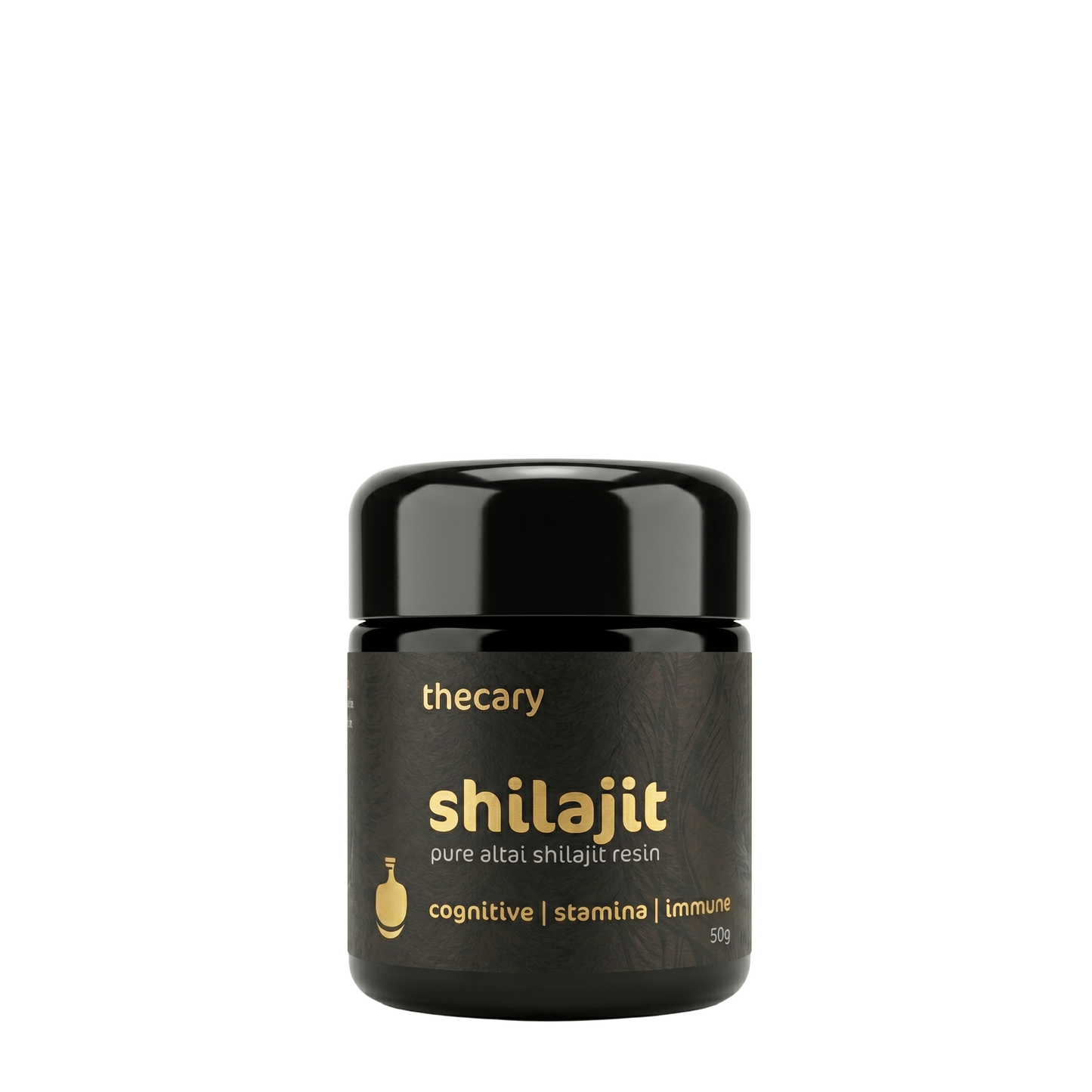
Altai Shilajit Resin — 50g
Couldn't load pickup availability
Ingredients
Ingredients
100% organic altai shilajit resin.
Delivery & Returns
Delivery & Returns
Delivery & Returns
Get free UK shipping on all orders. International and next day delivery charges apply. Returns accepted for incorrect orders within 14 days.See full shipping and returns details.

shilajit resin
Category
Natural Compound
May boost energy and reduce fatigue, supports cognitive function, provides trace minerals, potent antioxidant.
Key Function
Adaptogen, mineral source, antioxidant.
What it's used for
Energy, vitality, cognitive function, anti-aging, mineral repletion.
Key Benefits
May boost energy and reduce fatigue, supports cognitive function, provides trace minerals, potent antioxidant.
Science Behind It
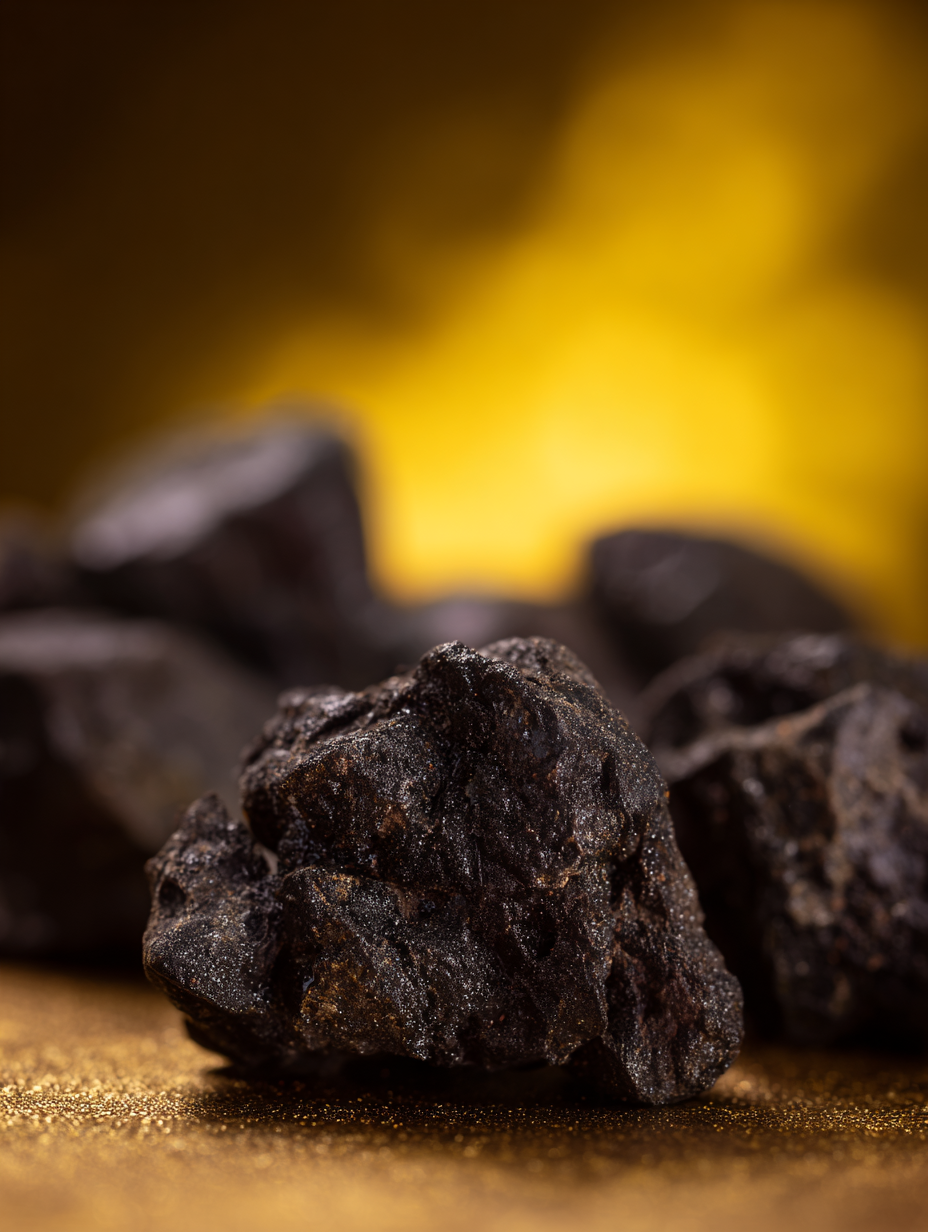
Shilajit is a sticky, tar-like substance found primarily in the Himalayas, formed over centuries by the decomposition of plant and microbial matter. Its primary active compound is fulvic acid, along with humic acids and various minerals. Fulvic acid is believed to enhance nutrient absorption, transport minerals into cells, and act as a powerful antioxidant. Shilajit is also considered an adaptogen, helping the body adapt to stress and promoting overall balance.
Pure Himalayan Shilajit by thecary
thecary's Altai Shilajit Resin is sourced from the pristine, high-altitude regions of the Altai mountains — where centuries of geological pressure and decomposed plant matter have produced one of nature's most mineral-dense substances.
Each jar contains 50g of pure shilajit resin, naturally rich in fulvic acid, humic acid, and over 80 trace minerals including iron, magnesium, zinc and selenium. No fillers, no additives, no dilution.
Independently lab-tested for heavy metals, microbial contaminants, and authenticity. Vegan, GMO-free, supplied from the UK in an FSSC 22000 certified facility. 50g yields approximately 100–150 servings — a three to four month supply taken once daily.
What is shilajit?
Shilajit is a tar-like resin that seeps from rocks high in the world's most rugged mountain ranges — the Altai, the Himalayas, the Caucasus, and the Andes. It forms over centuries through the slow decomposition of specific plant material trapped between layers of rock and gradually compressed by extreme pressure.
In Ayurvedic medicine, shilajit has been used for over 3,000 years and is sometimes called "the destroyer of weakness." Its primary active compounds are fulvic acid and humic acid — natural molecules that help carry minerals and nutrients into cells.
Why Altai shilajit?
Altai shilajit comes from the Altai mountain range that spans Russia, Mongolia and Kazakhstan — one of the most ecologically untouched regions on Earth. The combination of harsh climate, mineral-rich geology and minimal industrial pollution produces shilajit with a distinctive fulvic acid profile and exceptionally low contaminant levels compared with shilajit harvested from more populated regions.
What thecary's Shilajit Resin supports
Energy and vitality. Shilajit is most commonly taken to support energy, stamina and physical performance.
Mineral intake. Naturally occurring iron, magnesium, zinc and selenium delivered in a bioavailable form via fulvic acid.
Active lifestyles. Widely used by athletes and active people to support recovery and performance.
Cellular nutrient transport. Fulvic acid acts as a natural carrier molecule, supporting the movement of nutrients into cells and the removal of cellular waste.
Why resin instead of capsules or powder?
Resin is the rawest, most concentrated form of shilajit. Capsules and powders typically contain significantly lower active compound concentrations because of dilution with bulking agents and the heat involved in processing. Resin requires no disintegration in the stomach, so absorption begins immediately. It is also the form used in traditional Ayurvedic practice for thousands of years.
How we test for purity
Authentic shilajit is rare. The market is heavily counterfeited — much of what is sold globally is either diluted, mixed with shoe polish or humic compounds, or sourced from regions with high heavy metal exposure. Every batch of thecary's Altai Shilajit is independently lab-tested for fulvic acid content, heavy metals (lead, arsenic, mercury, cadmium), microbial contaminants, and overall authenticity before it reaches your door.
How to take Shilajit Resin
Take a pea-sized amount (approximately 300–500mg) once daily. Dissolve in a warm — not hot — drink: water, milk, plant-based milk, herbal tea, or coffee. Stir until fully blended.
Important: Do not use a metal spoon to scoop the resin, as it may react with the natural iron and copper content. Use the included plastic or wooden spatula, or warm a metal spoon under running water first to make scooping easier.
The flavour is naturally bitter, earthy and mineral-forward. Most people start with a smaller dose for the first week to let the body adjust, then settle into their preferred amount.
Best time: Morning or early afternoon. Most people find shilajit mildly energising, so it is best avoided late in the evening.
Food supplements are not a substitute for a balanced diet and healthy lifestyle. Do not exceed the recommended dose. If you are pregnant, breastfeeding, taking medication or under medical supervision, consult your GP before use.
-
Made In UK
-
FSSC 22000
-
Vegan
-
GMO Free
-
Science Backed
FAQ
What is shilajit and what does it do?
Shilajit is a natural resin found in mountain rocks, formed over centuries from compressed plant matter. It is rich in fulvic acid, humic acid, and over 80 trace minerals. People take shilajit to support energy, mineral intake, and active lifestyles. It has been used in Ayurvedic medicine for over 3,000 years.
How do I take shilajit resin?
Take a pea-sized amount (around 300–500mg) once daily, dissolved in a warm drink such as water, milk or tea. Use a non-metal spatula to scoop it. Most people take it in the morning with breakfast.
What's the difference between Altai and Himalayan shilajit?
Both come from high-altitude mountain regions and contain fulvic acid and trace minerals. Altai shilajit, from the mountain range spanning Russia, Mongolia and Kazakhstan, is prized for its mineral profile and lower exposure to industrial pollution due to the remoteness of the region. Himalayan shilajit, from Nepal and India, has a longer commercial history but is more vulnerable to counterfeiting.
How long does a 50g jar last?
At a daily dose of 300–500mg (a pea-sized amount), a 50g jar provides approximately 100 to 150 servings — three to four months of daily use.
How long does it take for shilajit to work?
Most people report noticeable changes in energy and well-being within two to four weeks of consistent daily use. As with most natural supplements, shilajit works gradually rather than producing immediate effects.
What does shilajit resin taste like?
The flavour is bitter, earthy and mineral-forward — often described as similar to strong black tea or dark molasses. Mixing it into a drink with a stronger flavour, such as coffee or chai, masks the taste.
Can women take shilajit?
Yes. Shilajit is suitable for both men and women. While much of the early research focused on men, more recent studies have examined its use across both sexes. Women who are pregnant or breastfeeding should consult their GP first.
Is shilajit tested for heavy metals?
Authentic shilajit must be lab-tested. Because shilajit forms in rocks, untested products can contain unsafe levels of lead, arsenic, mercury or cadmium. Every batch of thecary's Altai Shilajit Resin is independently tested for heavy metals, microbial contaminants, and authenticity before release.
Is thecary's shilajit vegan?
Yes. Shilajit is a plant-derived resin. Our Altai Shilajit Resin contains no animal ingredients, no fillers, and no synthetic additives.
Can I take shilajit with other supplements?
Yes. Shilajit pairs particularly well with our NMN 500mg (cellular energy and longevity), Vitamin B Complex (broader energy support), and Marine Collagen (recent research suggests shilajit may support collagen synthesis).
-
Meet NMN: the cutting-edge bridge between ances...
thecary research teamNMN isn’t new — it exists in the foods our ancestors ate. Discover how modern science is catching up with what traditional diets always supported.
Meet NMN: the cutting-edge bridge between ances...
thecary research teamNMN isn’t new — it exists in the foods our ancestors ate. Discover how modern science is catching up with what traditional diets always supported.
-
What your mitochondria actually need to thrive
thecary research teamYour mitochondria produce every unit of energy your body uses. Here is what they need to function well — and why NAD+ is at the top of the list.
What your mitochondria actually need to thrive
thecary research teamYour mitochondria produce every unit of energy your body uses. Here is what they need to function well — and why NAD+ is at the top of the list.